
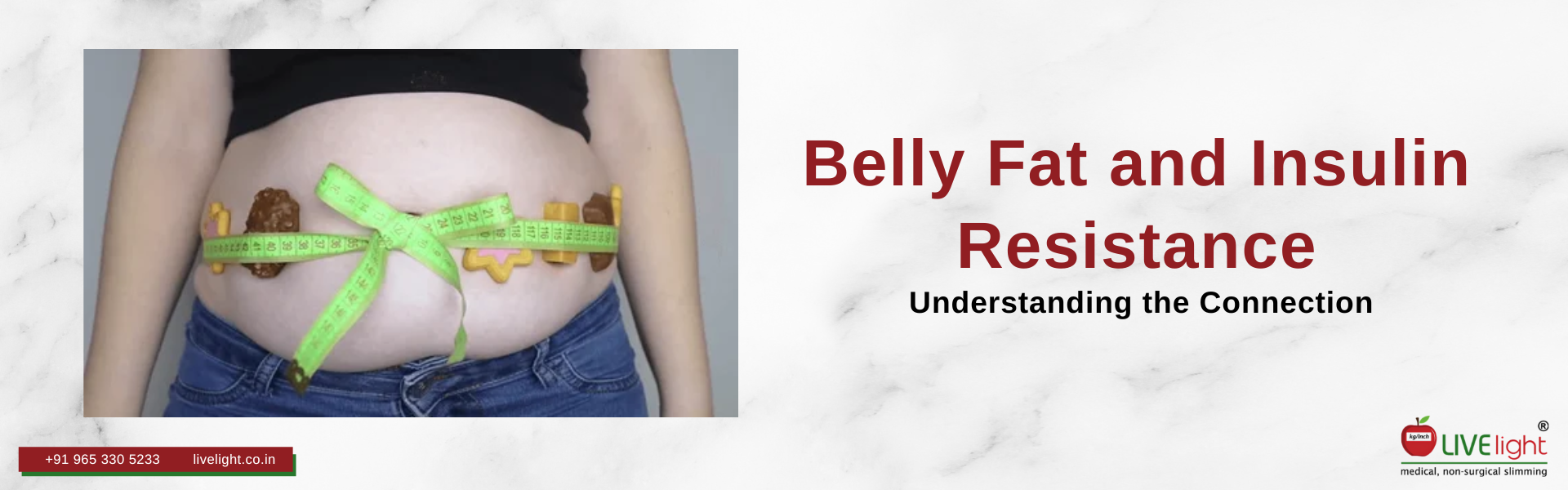

Belly Fat and Insulin Resistance: Understanding the Connection
You exercise regularly.
You avoid sugary foods.
You're eating "healthy."
Yet the fat around your waist refuses to disappear.
Sound familiar?
Many people assume stubborn belly fat is simply the result of overeating or not exercising enough. But for many adults, especially those with metabolic conditions, the real issue lies much deeper.
One of the most common—but often overlooked—reasons for persistent abdominal fat is insulin resistance.
What's surprising is that the relationship works both ways:
- Belly fat can contribute to insulin resistance.
- Insulin resistance can make belly fat harder to lose.
It's a cycle that many people don't realize they're caught in.
Think of It as a Two-Way Street
Most people ask:
"Did insulin resistance cause my belly fat?"
The better answer is:
Both conditions influence each other.
As belly fat increases, your body's response to insulin can become less effective.
When insulin resistance develops, your body becomes even more likely to store fat around the abdomen.
Without intervention, this cycle may continue for years.
What Is Insulin Resistance?
Insulin is a hormone that helps move glucose (sugar) from your bloodstream into your body's cells, where it is used for energy.
When you develop insulin resistance:
- Your cells don't respond efficiently to insulin.
- The pancreas produces more insulin to compensate.
- Higher insulin levels remain in the bloodstream.
Over time, this can affect both metabolism and body fat distribution.
Why Belly Fat Is Different from Other Body Fat
Not all body fat behaves the same way.
The fat around your abdomen—known as visceral fat—surrounds important organs such as the liver, pancreas, and intestines.
Compared to fat under the skin, visceral fat is more metabolically active.
It produces substances that can:
- Increase inflammation
- Affect hormone regulation
- Worsen insulin sensitivity
That's one reason why excess waist circumference is considered an important health indicator.
Signs You May Have Insulin Resistance
Insulin resistance often develops gradually.
Common signs may include:
- Belly fat that's difficult to lose
- Constant hunger, even after meals
- Sugar cravings
- Feeling tired after eating
- Weight gain despite healthy habits
- Dark, velvety patches of skin around the neck or underarms (acanthosis nigricans)
These symptoms don't confirm insulin resistance, but they may be reasons to seek medical evaluation.
Why Belly Fat Becomes So Stubborn
Many patients say:
"I've lost weight everywhere except my stomach."
This happens because insulin influences how the body stores and releases fat.
Persistently elevated insulin levels can make it more difficult for the body to use stored fat as an energy source.
As a result:
- Fat loss slows down
- Hunger may increase
- Weight loss plateaus become more common
This is one reason some people struggle despite consistent effort.
Women with PCOS Often Experience This Too
Many women with PCOS also have insulin resistance.
This combination may contribute to:
- Increased abdominal fat
- Difficulty losing weight
- Irregular periods
- Increased appetite
- Hormonal imbalance
Addressing insulin resistance is often an important part of managing PCOS-related weight concerns.
Why Eating Less Isn't Always the Solution
One of the biggest misconceptions is:
"If I'm not losing belly fat, I just need to eat less."
But extremely restrictive diets can:
- Reduce muscle mass
- Slow metabolism
- Increase hunger
- Become difficult to maintain
Instead of simply reducing calories, the goal should be improving your body's metabolic health.
Building Better Metabolic Health
Improving insulin sensitivity usually requires several lifestyle changes working together.
Choose Balanced Meals
Meals that include:
- Lean protein
- High-fibre vegetables
- Whole grains
- Healthy fats
may help improve blood sugar control and keep you feeling fuller for longer.
Strength Training Supports Metabolism
Muscle tissue uses glucose more efficiently than fat tissue.
Building and maintaining muscle through resistance training can improve insulin sensitivity while supporting long-term fat loss.
Move More Throughout the Day
Exercise doesn't have to be intense.
Walking after meals, taking the stairs, and reducing sitting time can all contribute to better metabolic health.
Prioritize Sleep
Poor sleep affects hormones involved in:
- Appetite
- Blood sugar regulation
- Stress response
Aim for consistent, quality sleep whenever possible.
Manage Stress
Chronic stress increases cortisol, which may contribute to both abdominal fat and unhealthy eating patterns.
Simple practices such as mindfulness, deep breathing, and regular physical activity may help.
When Lifestyle Changes Aren't Enough
For some people, lifestyle changes alone may not produce the desired results.
This may happen when insulin resistance is associated with:
- Obesity
- PCOS
- Prediabetes
- Metabolic syndrome
In these situations, a doctor may recommend additional treatment after a detailed medical assessment.
The goal isn't simply weight loss.
The goal is improving metabolic health.
Why Personalized Care Matters
Two people with the same waist size may have completely different reasons for carrying excess abdominal fat.
One person may benefit from nutrition and exercise changes alone.
Another may require evaluation for:
- Hormonal imbalance
- Insulin resistance
- Thyroid disorders
- Obesity-related conditions
That's why a personalized treatment plan is often more effective than following generic advice found online.
At LiveLight, Dr. Swati Pradhan focuses on identifying the underlying causes of stubborn weight gain before recommending a management plan.
As an obesity management clinic in Mumbai, the approach emphasizes sustainable lifestyle changes combined with medical guidance when appropriate.
Focus on More Than the Weighing Scale
Many patients judge success only by body weight.
However, improvements can also include:
- Reduced waist circumference
- Better blood sugar control
- Increased energy
- Improved fitness
- Healthier eating habits
These changes often occur before major changes on the weighing scale.
Breaking the Belly Fat–Insulin Resistance Cycle
The good news is that this cycle can often be improved.
Small, consistent changes made over time can positively affect:
- Insulin sensitivity
- Body composition
- Energy levels
- Overall health
The earlier these changes begin, the greater the long-term health benefits.
Book a Consultation at LiveLight
If you're struggling with stubborn belly fat despite your best efforts, it may be time to look beyond calorie counting.
At LiveLight, Dr. Swati Pradhan provides comprehensive assessments to understand the metabolic and lifestyle factors affecting your weight.
Whether you're concerned about insulin resistance, PCOS, obesity, or abdominal weight gain, a personalized plan can help you move toward healthier, more sustainable results.