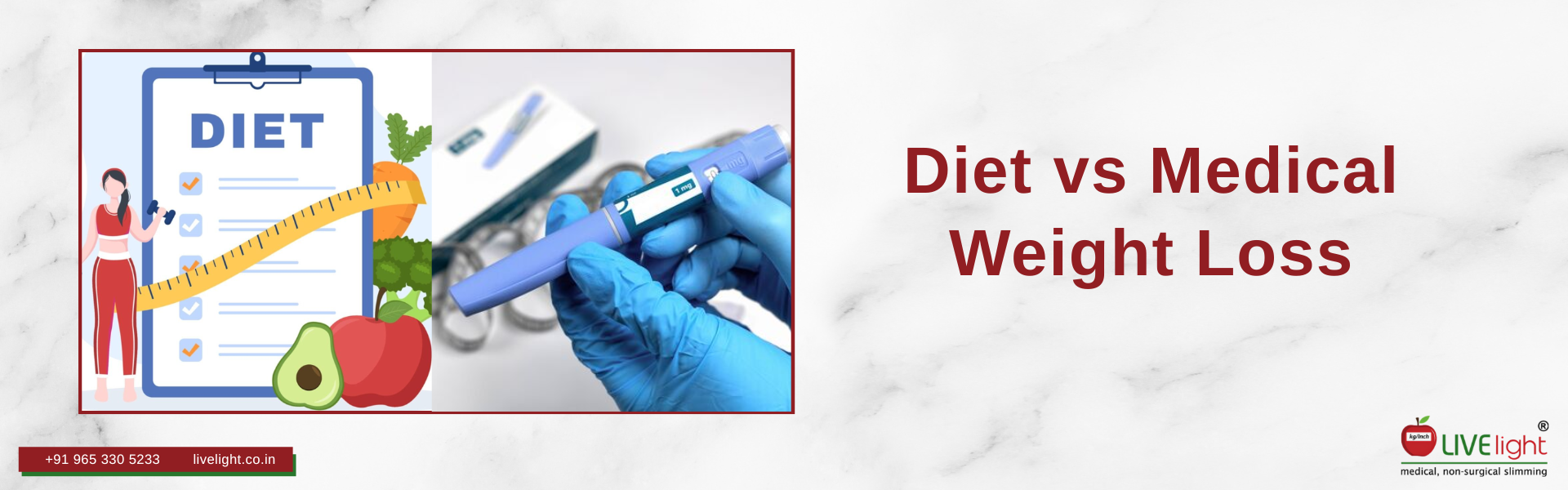
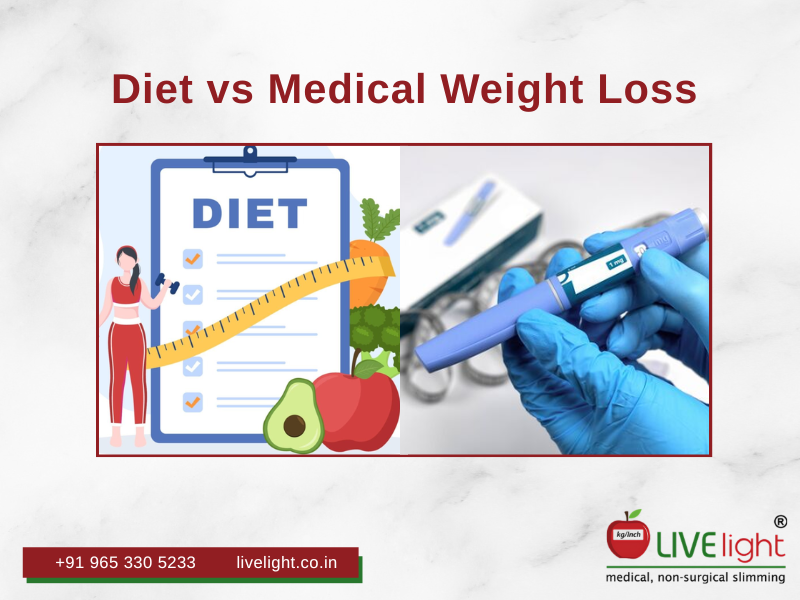
Diet vs Medical Weight Loss: Which Works Better?
If you’ve ever tried to lose weight, you’ve probably heard the most common advice: “Just eat less and exercise more.”
While this works for some people, many struggle despite strict dieting and regular workouts. If you’re one of them, you might be wondering — is dieting enough, or is medical weight loss a better option?
With the rise of advanced treatments like weight loss injections in India, the approach to weight loss is evolving rapidly.
In this blog, we’ll compare:
- Diet-based weight loss
- Medical weight loss treatments
- Which option works better for long-term results
What Is Diet-Based Weight Loss?
Diet-based weight loss focuses on:
- Reducing calorie intake
- Following structured meal plans
- Increasing physical activity
Popular diet methods include:
- Low-carb diets
- Intermittent fasting
- Calorie counting
Benefits of Dieting
- Natural approach
- Improves overall lifestyle
- Cost-effective
Limitations of Dieting
- Difficult to sustain long-term
- Slows metabolism over time
- Doesn’t address hormonal issues
- Weight regain is common
Many people lose weight initially but struggle to maintain results.
Why Diet Alone Often Fails
Weight loss is not just about calories.
Your body is controlled by:
- Hormones
- Metabolism
- Insulin levels
If these are imbalanced:
- Fat loss slows down
- Hunger increases
- Energy levels drop
This is why many people experience:
- Weight loss plateau
- Repeated weight gain
- Frustration despite efforts
What Is Medical Weight Loss?
Medical weight loss is a doctor-supervised approach that focuses on the root causes of weight gain.
It includes:
- Hormonal evaluation
- Metabolic assessment
- Personalized treatment plans
Modern options include:
- Prescription medications
- Hormone therapy
- Injection for weight loss (GLP-1 treatments)
These treatments are designed to:
- Control appetite
- Improve metabolism
- Support fat loss
How Do Weight Loss Injections Work?
One of the most popular medical treatments today is weight loss injections in India.
These injections:
- Mimic natural hormones in the body
- Reduce hunger
- Slow digestion
- Improve insulin sensitivity
As a result:
- You eat less
- Feel full longer
- Lose weight more effectively
They are especially helpful for:
- PCOS patients
- Insulin resistance
- Stubborn fat
Diet vs Medical Weight Loss: Key Differences
| Factor | Dieting | Medical Weight Loss |
|---|---|---|
| Approach | General | Personalized |
| Focus | Calories | Root cause |
| Results | Slow / inconsistent | Faster & sustainable |
| Sustainability | Low | High |
| Medical Support | No | Yes |
Which Works Better?
Diet Works Best For:
- Mild weight gain
- People with no hormonal issues
- Those starting their fitness journey
Medical Weight Loss Works Best For:
- Stubborn fat
- Hormonal imbalance
- PCOS or thyroid issues
- Repeated diet failures
For many individuals, combining both approaches gives the best results.
The Biggest Mistake People Make
Many people:
- Try multiple diets
- Do excessive workouts
- Ignore underlying health issues
This leads to:
- Slower metabolism
- Weight regain
- Frustration
Instead of guessing, it’s better to identify the root cause and follow a structured plan.
Why Doctor-Supervised Weight Loss Is More Effective
With expert guidance, you get:
- Accurate diagnosis
- Customized plan
- Safe and effective treatments
A specialist like Dr. Swati Pradhan can help you:
- Understand your body
- Choose the right treatment
- Achieve long-term results
When Should You Consider Medical Weight Loss?
You should consider it if:
- Diet and exercise are not working
- You have PCOS or hormonal issues
- You experience frequent weight gain
- You have stubborn belly fat
Book Consultation with Dr. Swati Pradhan
If you’re confused about whether dieting is enough, it’s time to get expert advice.
Book Consultation with Dr. Swati Pradhan and get a personalized plan tailored to your body and goals.
With the right approach, you can:
- Lose weight effectively
- Avoid repeated failures
- Achieve sustainable results