Can Fat Dissolving Injections Reduce Belly Fat and Love Handles?
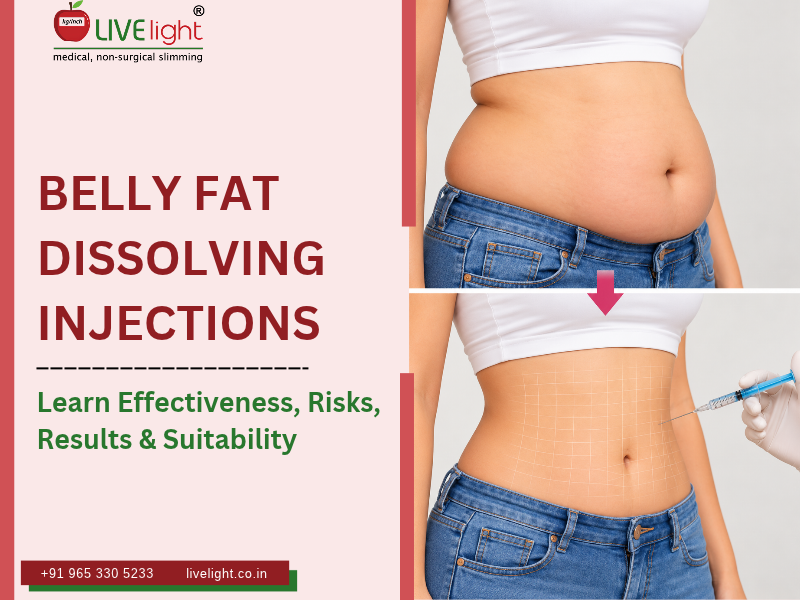
Belly fat and love handles are common body contouring concerns. Even after making changes to diet and physical activity, some people notice persistent pockets of fat around the abdomen, waist, or sides of the torso.
This often leads to a question: Can fat dissolving injections reduce belly fat and love handles without surgery?
The answer depends on the injectable formulation, the treatment area, and the evidence supporting its use. Some injectable treatments have demonstrated effectiveness for specific indications, but these findings cannot automatically be applied to injections marketed for abdominal fat or love handles.
At LiveLight Clinic, patients can explore different body contouring options with an emphasis on individual assessment and realistic expectations. This guide explains how fat dissolving injections work, what is known about their effectiveness, the potential risks, and when professional assessment may help identify a suitable approach.
What Are Fat Dissolving Injections?
Fat dissolving injections, also called lipolytic injections or injection lipolysis, are injectable formulations intended to disrupt fat cells in a targeted area.
Depending on the active ingredient, these formulations may damage fat cell membranes, after which the body gradually clears cellular debris.
However, not all fat dissolving injections contain the same ingredients, and their safety, effectiveness, and regulatory status can differ significantly.
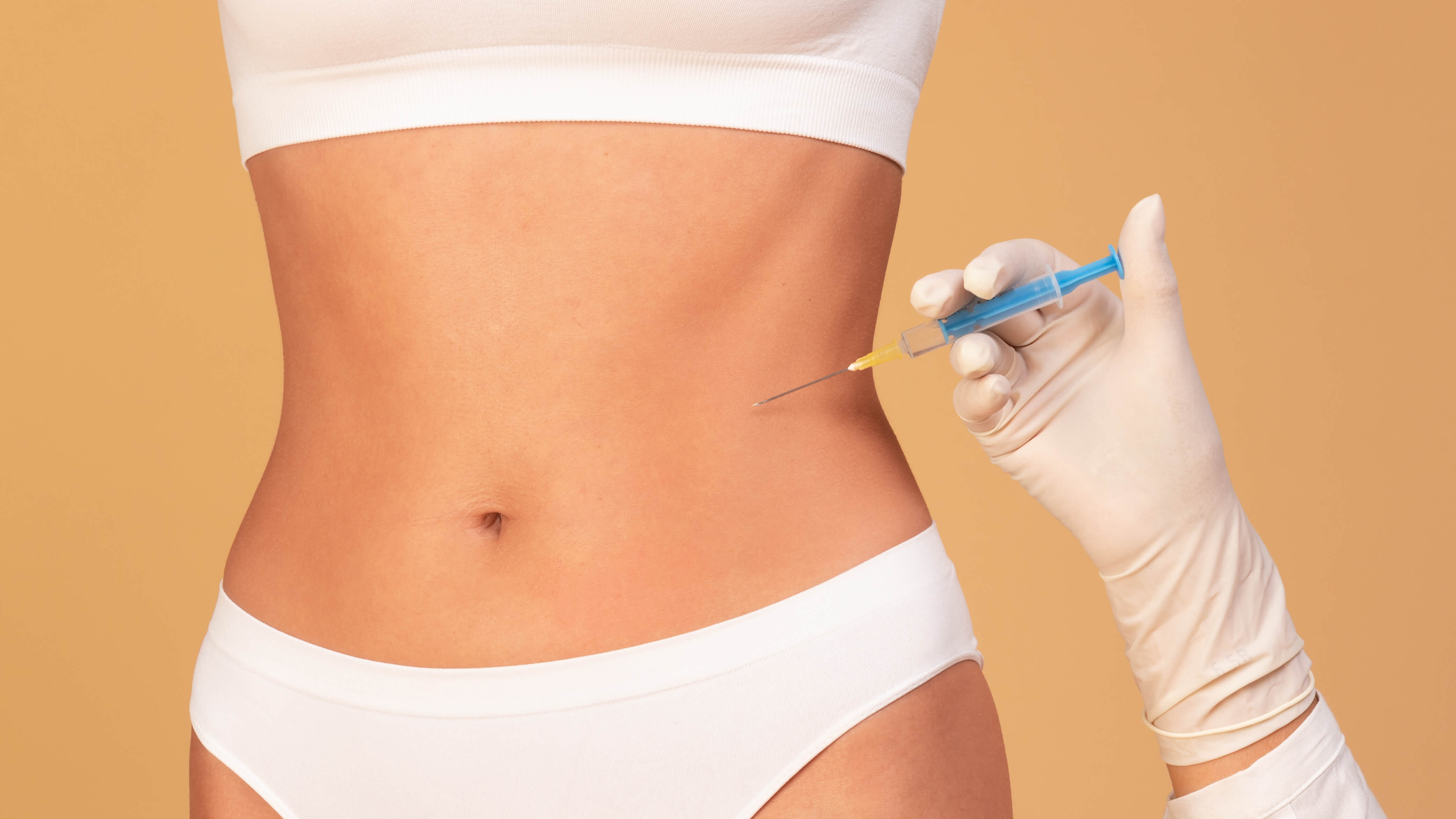
Certain deoxycholic acid injections have demonstrated effectiveness for reducing fat beneath the chin in appropriately selected adults. This does not establish that the same formulation is appropriate for treating belly fat or love handles.
If you are researching fat dissolving injections in Thane or Mumbai, it is important to understand the exact product being considered and whether there is appropriate evidence and regulatory authorisation for the intended treatment area.
Can Fat Dissolving Injections Reduce Belly Fat?
Fat dissolving injections should not automatically be considered an established or suitable treatment for abdominal fat. Their effectiveness depends on the specific formulation and its evidence and regulatory status for use in the abdomen.
The abdomen can contain different types of fat, and distinguishing between them is important when considering treatment.
1. Subcutaneous Belly Fat
Subcutaneous fat lies directly beneath the skin. It contributes to the softness or fullness that can be pinched around the abdomen.
Some body contouring procedures are intended to target selected subcutaneous fat deposits. However, the suitability of an injectable treatment depends on the product, the anatomical area, and the available clinical evidence.
2. Visceral Fat
Visceral fat lies deeper inside the abdomen and surrounds internal organs. It is associated with metabolic health risks and cannot be treated by targeting superficial fat deposits with cosmetic injections.
Managing excess visceral fat generally involves an appropriate approach to overall weight and metabolic health, guided by a healthcare professional.
3. Loose Skin or Abdominal Muscle Changes
A protruding abdomen is not always caused by excess subcutaneous fat. Skin laxity, abdominal muscle changes, bloating, and other factors may also contribute to abdominal appearance.
A clinical assessment can help identify the likely cause and determine whether body contouring is appropriate.
Important: A treatment marketed for belly fat should not be assumed to be effective simply because it is described as “fat dissolving” or “non-surgical.”
Can Fat Dissolving Injections Reduce Love Handles?
Love handles refer to localised fullness around the sides of the waist, above the hips. They are also described as flank fat or waist fat.
People often search for love handle fat reduction treatments when they want to improve the contour of this area.
However, evidence supporting an injectable treatment for fat beneath the chin does not establish that the same treatment is effective or safe for the flanks.
Before considering an injectable procedure for love handles, a qualified medical professional should assess:
- The location and amount of subcutaneous fat
- Skin elasticity and the overall shape of the waist
- The exact formulation being proposed
- Whether the product has appropriate evidence and regulatory status for that area
- Possible complications, contraindications, and alternative treatments
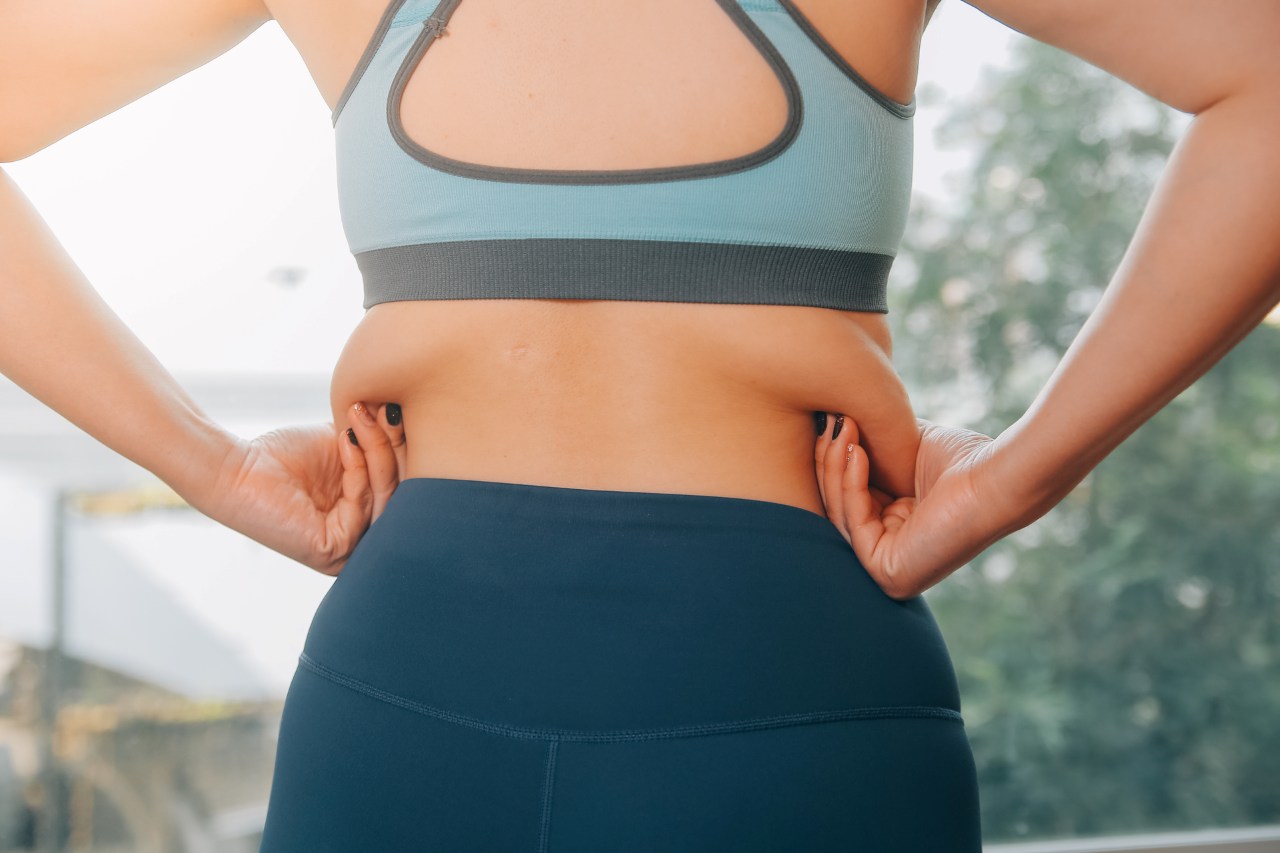
Depending on the findings, another body contouring approach or a broader weight management plan may be more appropriate.
How Do Fat Dissolving Injections Work?
The mechanism depends on the active ingredient in the formulation.
For injectable treatments that disrupt fat cells, the process generally involves three stages.
Step 1: Medical Assessment
A clinician reviews the treatment area, medical history, medications, skin quality, and treatment goals. This helps establish whether an injectable procedure is appropriate and whether another cause of abdominal or waist fullness needs to be considered.
Step 2: Targeted Administration
If treatment is appropriate, the product is administered by a qualified professional according to its applicable prescribing information and clinical protocol.
The product, dose, injection technique, and anatomical site are important safety considerations. An injectable product should not be used in a different body area solely because it is marketed for localised fat reduction.
Step 3: Gradual Tissue Response
With formulations that disrupt fat cells, the body responds to the affected tissue and clears cellular debris over time.
Any visible change varies according to the formulation, treatment area, and individual response. Multiple sessions may be required for certain approved indications, but additional treatment should only be considered following clinical reassessment.
Are Fat Dissolving Injections Effective for Stubborn Belly Fat?
Effectiveness depends on what is being treated and which product is used.
Certain deoxycholic acid injections have clinical evidence for reducing submental fat, which is the fat beneath the chin. That evidence should not be used to claim that all injectable formulations are effective for belly fat or love handles.
When evaluating an abdominal fat reduction treatment, consider these questions:
- Is the treatment supported by reliable clinical evidence for the abdomen?
- Is the exact product authorised for the proposed use in the relevant jurisdiction?
- What level of improvement is realistic?
- What are the potential adverse effects and long-term uncertainties?
- Are there alternative treatments with stronger evidence for the concern?
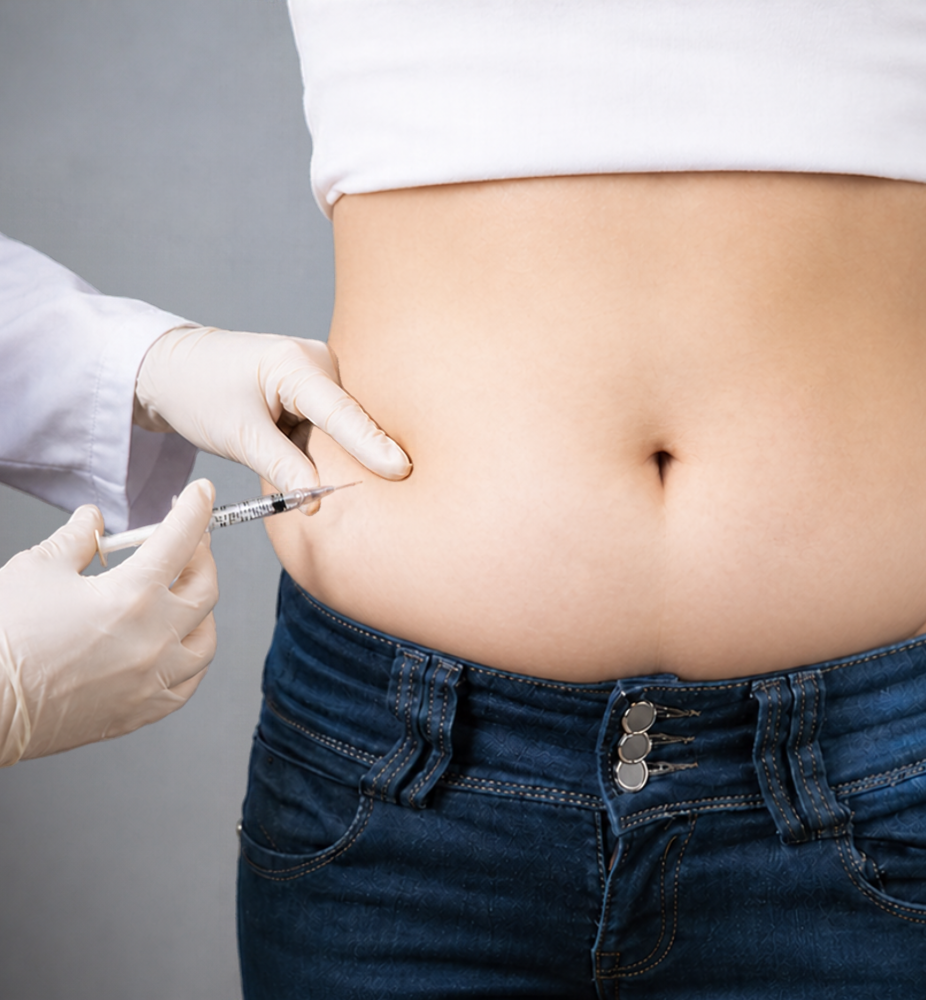
A qualified clinician should be able to explain the supporting evidence and limitations without promising a particular outcome.
What Are the Alternatives for Belly Fat and Love Handles?
The most appropriate option depends on the cause of the fullness, the amount of localised fat, skin quality, general health, and treatment goals.
| Treatment approach | Potential role | Important limitation |
|---|---|---|
| Medical weight management | Addresses excess body weight and related metabolic concerns | Requires an individualised, sustainable plan |
| Liposuction | Surgically removes selected localised fat deposits | Involves surgery, recovery, and surgical risks |
| Non-surgical body contouring | Certain technologies may target selected fat deposits or tissue concerns | Results and risks vary by device and indication |
| Skin-tightening treatments | May address selected skin laxity concerns | Do not necessarily remove substantial fat |
| Injectable fat reduction | May be appropriate for certain product-specific indications | Evidence and suitability cannot be assumed for the abdomen or flanks |
No single approach is suitable for everyone. In some cases, managing overall body weight first may be more appropriate than pursuing a localised cosmetic procedure.
Fat Dissolving Injections vs Other Belly Fat Treatments
Fat Dissolving Injections vs Liposuction
Fat dissolving injections are intended to disrupt selected fat cells using an injectable formulation, while liposuction surgically removes fat through suction.
Liposuction may be considered when a patient wants a more substantial reduction in localised fat and is medically suitable for surgery. Injectable treatment may be considered only when the specific product and intended use are adequately supported.
The two approaches are not interchangeable, and injections should not be presented as a proven substitute for liposuction for every abdominal or waist concern.
Fat Dissolving Injections vs Non-Surgical Body Contouring
Non-surgical body contouring includes different technologies that may use energy or other mechanisms to target selected tissue concerns.
Results, risks, contraindications, and evidence differ between technologies. The suitability of a particular treatment should be assessed rather than assuming that every non-surgical procedure produces equivalent results.
Fat Dissolving Injections vs Weight Loss Treatment
Cosmetic fat reduction treatments target selected areas and are not substitutes for medical weight management.
When the main concern is overall body weight or excess visceral fat, a clinician can discuss appropriate options based on health status, medical history, and individual needs.
Are Fat Dissolving Injections Safe for Belly Fat?
Fat dissolving injections can cause adverse effects, and the risks depend on the product, injection technique, and anatomical site.
Possible complications include:
- Pain, redness, swelling, and bruising
- Persistent lumps or nodules beneath the skin
- Infection and inflammation
- Scarring or skin deformities
- Tissue injury and other product-specific complications
The US Food and Drug Administration has warned about adverse reactions associated with unapproved fat-dissolving injections. In September 2026, the FDA also announced updated warnings about serious adverse reactions associated with using deoxycholic acid injections outside the submental region. These warnings reinforce the importance of not extrapolating evidence for treatment beneath the chin to other body areas.
The applicable regulatory status in India must be assessed separately.
Do not purchase injectable products online or attempt to administer them yourself. Seek prompt medical assessment for severe or worsening pain, spreading redness, fever, persistent or enlarging lumps, or unusual skin changes following an injection.
Who May Benefit From a Body Contouring Assessment?
A person with localised abdominal or waist fullness may benefit from a medical assessment to determine what is contributing to the concern and which options, if any, are appropriate.
During an assessment, a qualified professional may consider:
- Overall body weight and health
- The distribution of subcutaneous and visceral fat
- Skin laxity and abdominal muscle changes
- Previous weight changes and cosmetic procedures
- Current medications and relevant medical conditions
- Evidence, regulatory status, risks, and alternatives for the proposed treatment
An assessment may lead to a recommendation for body contouring, weight management, another medical evaluation, or no procedure.
The goal is to identify an appropriate option rather than assume that injections are the answer for every concern.
Belly Fat Reduction and Body Contouring at LiveLight Clinic in Thane and Mumbai
If you are researching belly fat reduction or love handle treatment, it can be helpful to understand the available options before deciding on a procedure.
LiveLight Clinic offers information about body contouring approaches and weight management services at its locations in Thane and Dadar, Mumbai.
The clinic's body contouring information describes options including lipolysis injections, ultrasound-based fat reduction, radiofrequency skin tightening, and EMS muscle toning. The suitability of each treatment depends on individual assessment, the exact technology or product used, and the evidence supporting the intended indication.
You can explore the following resources:
- Body contouring treatment in Thane
- Fat dissolving injections at LiveLight
- Body contouring treatment information
- LiveLight Clinic locations and contact information
LiveLight Clinic Locations
- Thane West — Hiranandani Meadows: 109, Block-1, Emerald Plaza, Gladys Alwares Road, Manpada, Thane West, Maharashtra 400610.
- Thane West — Khopat: Kalika Towers, 1st Floor, Comrade Rajaram Vishnu Rawool Marg, opposite Pratap Cinema, Khopat, Thane West, Maharashtra 400601.
- Dadar West, Mumbai: Zenith Medical Centre, A-402, West Wing, Kohinoor Square, Dadar West, Mumbai, Maharashtra 400028.
For directions, current contact information, and confirmation of service availability, consult the clinic's official contact page.
Before choosing an injectable treatment, ask the clinician about the exact product and active ingredient, evidence for the proposed body area, regulatory status, possible complications, and alternative options.
Frequently Asked Questions
Conclusion
Fat dissolving injections are often discussed as an option for belly fat and love handles, but their effectiveness cannot be assumed across different products and body areas.
Certain injectable treatments have established evidence for specific indications, while their use for the abdomen and flanks requires separate evaluation. The right approach depends on the type of fat, overall health, treatment goals, available evidence, and potential risks.
If you are exploring belly fat reduction or love handle treatment in Thane or Mumbai, start by understanding the cause of the concern and seeking a qualified medical assessment. This can help you compare the available options and make an informed decision.
Medical disclaimer: This article is intended for general educational purposes and does not replace an individual medical consultation, diagnosis, or treatment recommendation. The safety, effectiveness, and regulatory status of injectable formulations vary by product, anatomical area, and jurisdiction. Treatment should be considered only after appropriate assessment by a qualified medical professional.