
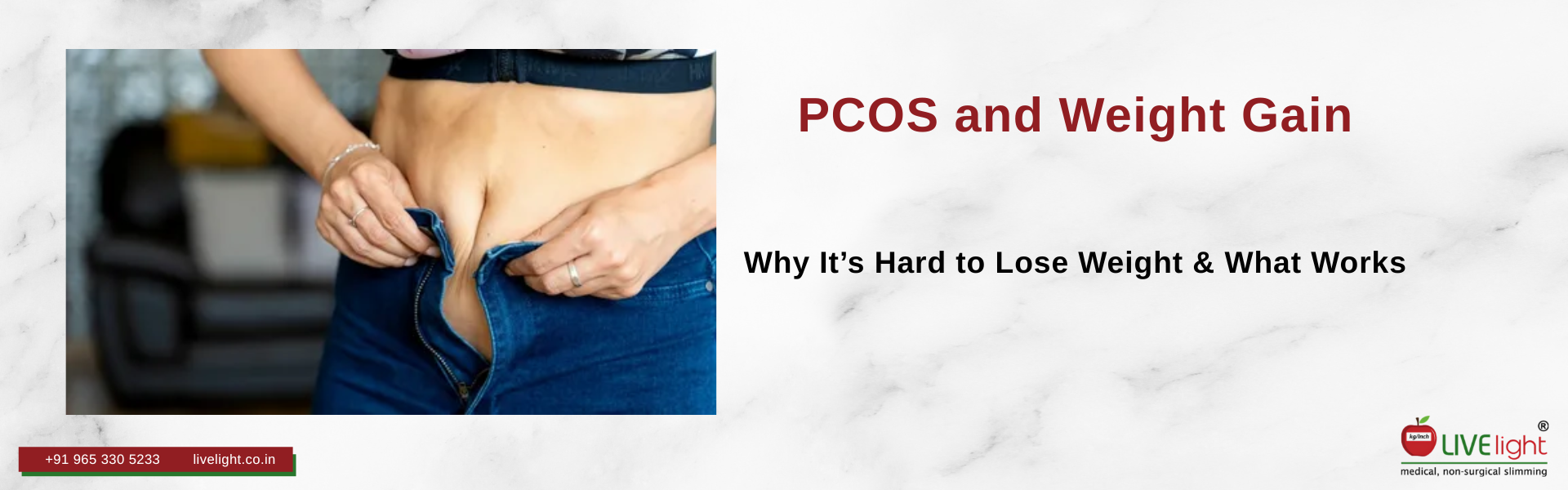
PCOS and Weight Gain: Why It’s Hard to Lose Weight & What Works
If you’ve been diagnosed with PCOS and feel like losing weight is an uphill battle, you’re not imagining it. Many women with PCOS follow strict diets and workout routines — yet struggle to shed even a few kilos.
This is because PCOS (Polycystic Ovary Syndrome) affects your body at a hormonal and metabolic level, making weight loss far more complex than simple calorie control.
In this blog, we’ll break down:
- Why PCOS causes weight gain
- Why traditional dieting fails
- What actually works for sustainable weight loss
What is PCOS and How Does It Affect Weight?
PCOS is a hormonal disorder that impacts:
- Ovaries
- Insulin levels
- Metabolism
Women with PCOS often experience:
- Irregular periods
- Acne and hair fall
- Weight gain (especially belly fat)
The biggest challenge? PCOS directly interferes with your body’s ability to burn fat.
Why Is It So Hard to Lose Weight with PCOS?
1. Insulin Resistance (The Biggest Factor)
Around 70–80% of women with PCOS have insulin resistance.
This means:
- Your body produces more insulin
- Excess insulin promotes fat storage
- Cravings and hunger increase
Even with dieting, your body is in fat-storage mode, making weight loss extremely difficult.
2. Hormonal Imbalance
PCOS disrupts key hormones like:
- Estrogen
- Progesterone
- Androgens (male hormones)
This imbalance leads to:
- Increased fat accumulation
- Reduced fat burning
- Stubborn belly fat
This is why many women seek a hormonal weight loss clinic instead of relying only on diet plans.
3. Slower Metabolism
Women with PCOS often have a naturally slower metabolic rate.
Reasons include:
- Hormonal dysfunction
- Muscle mass imbalance
- Repeated crash dieting
A slow metabolism means your body burns fewer calories — even at rest.
4. Increased Fat Storage (Especially Belly Fat)
PCOS tends to cause central obesity, meaning fat accumulates around the abdomen.
This type of fat:
- Is hormonally active
- Increases insulin resistance further
- Raises health risks
That’s why PCOS belly fat reduction requires targeted medical intervention.
5. Emotional Eating & Cravings
PCOS can increase:
- Sugar cravings
- Emotional eating
- Appetite fluctuations
This makes it harder to stick to traditional diet plans.
Why Diet & Exercise Alone Often Don’t Work
Most weight loss advice is based on:
- Eat less
- Move more
But with PCOS:
- Hormones override calorie control
- Insulin blocks fat loss
- Metabolism slows down
So even with discipline, results can be minimal. This often leads to frustration and giving up — which worsens the cycle.
What Actually Works for PCOS Weight Loss?
The key is a medical + lifestyle approach, not just dieting.
1. Treating Insulin Resistance
Managing insulin is the foundation of PCOS treatment.
Options include:
- Low glycemic diet
- Medications (if required)
- GLP-1 based treatments
This improves:
- Fat burning
- Hunger control
- Energy levels
2. Personalized Medical Weight Loss Programs
Generic diets don’t work for PCOS.
A personalized plan includes:
- Hormone evaluation
- Metabolic analysis
- Customized nutrition
- Medical support
This is why choosing the best doctor for PCOS weight loss is crucial.
3. Advanced Medical Treatments
Modern solutions include:
- Weight loss medications
- GLP-1 injections
- Hormonal correction therapies
These treatments:
- Reduce appetite
- Improve insulin sensitivity
- Support sustainable fat loss
4. Smart Exercise Strategy
Instead of excessive cardio, focus on:
- Strength training
- Resistance workouts
- Moderate activity
This helps:
- Improve metabolism
- Build muscle
- Burn fat effectively
5. PCOS-Friendly Nutrition
Key dietary strategies:
- High protein meals
- Low refined carbs
- Balanced fats
- Anti-inflammatory foods
Avoid:
- Crash dieting
- Extreme calorie restriction
6. Sleep & Stress Management
Hormones are highly sensitive to lifestyle.
Improve:
- Sleep quality (7–8 hours)
- Stress levels (reduce cortisol)
This directly impacts weight loss success.
When Should You Seek Medical Help?
You should consult a specialist if:
- You’re gaining weight despite diet and exercise
- You have PCOS symptoms
- You struggle with belly fat
- Weight loss has plateaued
A specialized PCOS weight-loss-injections weight loss treatment in Mumbai can help identify and treat the root cause effectively.
Why Choose a Medical Approach for PCOS?
A medical approach focuses on:
- Root cause (not symptoms)
- Hormonal balance
- Long-term results
It is especially effective for:
- Insulin resistance PCOS treatment
- Severe weight gain
- Failed diet attempts
Book Consultation with Dr. Swati Pradhan
If PCOS is making weight loss difficult, you don’t have to struggle alone.
Book Consultation with Dr. Swati Pradhan today and get a customized, medically guided weight loss plan.
With expert care, you can:
- Balance your hormones
- Reduce stubborn fat
- Achieve sustainable weight loss