
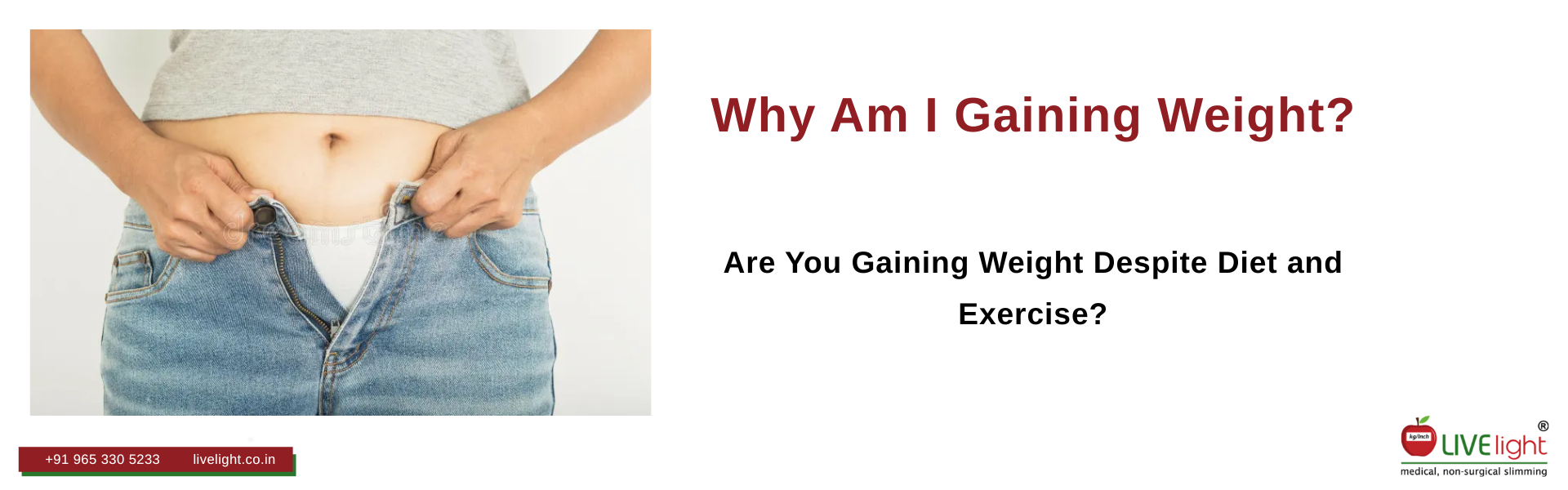
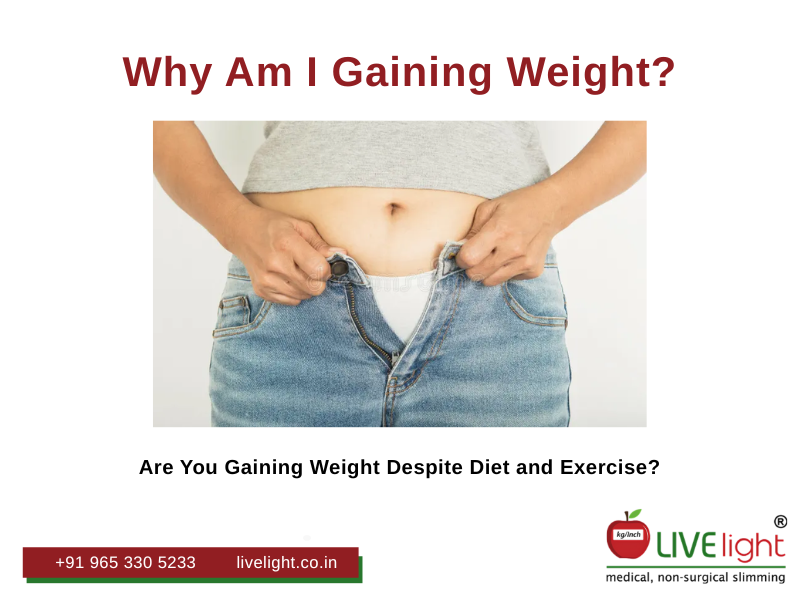
Why Am I Gaining Weight Despite Diet and Exercise?
If you’ve been eating clean, working out regularly, and still noticing the numbers on the scale going up — you’re not alone. Many people struggle with unexplained weight gain despite diet and exercise, and it can feel frustrating, confusing, and even discouraging.
The truth is, weight gain is not always about calories in vs calories out. There are underlying medical, hormonal, and metabolic factors that could be silently affecting your body.
In this blog, we’ll break down the real reasons behind weight gain, even when you’re doing everything right — and what you can do about it.
When Weight Gain Isn’t About Lifestyle
Most people assume weight gain is caused by:
- Eating too much
- Not exercising enough
But if you’re already managing both, then the issue may lie deeper.
Common hidden causes include:
- Hormonal imbalance
- Insulin resistance
- Slow metabolism
- Medical conditions like PCOS
- Chronic stress and poor sleep
If you’re facing persistent weight gain, it’s important to consult a weight loss clinic in Thane or an obesity doctor in Mumbai for a proper diagnosis.
Hormonal Imbalance and Weight Gain
Hormones control how your body stores fat, burns calories, and regulates hunger. Even a slight imbalance can lead to weight gain.
Common hormonal issues:
- Thyroid disorders (hypothyroidism)
- Cortisol (stress hormone) imbalance
- Estrogen dominance
- Insulin dysfunction
Signs of hormonal weight gain:
- Sudden or gradual unexplained weight gain
- Fat accumulation around abdomen
- Fatigue and low energy
- Mood swings
Hormonal weight gain cannot be fixed by diet alone. It requires medical evaluation and targeted treatment.
Insulin Resistance: The Hidden Culprit
One of the most common yet overlooked causes of weight gain is insulin resistance.
What is insulin resistance?
It’s a condition where your body stops responding properly to insulin, leading to:
- Increased fat storage
- Sugar cravings
- Difficulty losing weight
Symptoms include:
- Belly fat that won’t go away
- Constant hunger
- Energy crashes after meals
Even with a calorie deficit, insulin resistance can block fat loss. This is why many patients need medical weight loss treatments instead of just diet plans.
PCOS and Weight Gain
For women, PCOS (Polycystic Ovary Syndrome) is a major reason behind stubborn weight gain.
Why PCOS causes weight gain:
- Hormonal imbalance
- Insulin resistance
- Slower metabolism
Common signs:
- Irregular periods
- Acne and hair fall
- Weight gain around belly
If you’re struggling with PCOS weight gain treatment, it’s important to follow a doctor-supervised approach, not just generic diet plans.
Slow Metabolism and Weight Loss Resistance
Many people say, “I have a slow metabolism” — and in many cases, it’s true. Your metabolism determines how many calories your body burns at rest.
Causes of slow metabolism:
- Aging
- Hormonal imbalance
- Crash dieting
- Loss of muscle mass
Signs:
- Difficulty losing weight
- Feeling cold often
- Low energy levels
If your metabolism has adapted due to repeated dieting, your body may hold onto fat as a survival mechanism.
Poor Sleep and Stress
Sleep and stress play a bigger role than most people realize.
Lack of sleep:
- Increases hunger hormone (ghrelin)
- Reduces satiety hormone (leptin)
Chronic stress:
- Raises cortisol levels
- Leads to fat storage (especially belly fat)
Even with perfect diet and exercise, poor sleep can sabotage weight loss.
Are You Really Eating Right?
Sometimes, the issue lies in subtle dietary mistakes:
- Hidden calories (healthy snacks, smoothies)
- Eating too little (slows metabolism)
- High-carb “healthy” foods
- Emotional or stress eating
This is where personalized nutrition plans make a big difference.
When Should You See a Specialist?
If you notice the following, it’s time to consult an expert:
- Weight gain despite consistent diet and exercise
- Sudden increase in belly fat
- PCOS or thyroid issues
- Constant fatigue or cravings
A specialized weight loss clinic in Thane or an experienced obesity doctor in Mumbai can help identify the root cause and create a personalized treatment plan.
Modern Medical Solutions for Weight Loss
Today, weight loss is not limited to dieting.
Advanced medical options include:
- Hormone correction therapies
- Insulin resistance management
- Doctor-prescribed weight loss medications
- GLP-1 injections (like Ozempic, Wegovy, Mounjaro)
- Non-surgical fat reduction treatments
These treatments are designed to:
- Improve metabolism
- Control appetite
- Reduce fat storage
Why Choose a Medical Weight Loss Approach?
Unlike generic diet plans, medical weight loss focuses on:
- Root cause diagnosis
- Personalized treatment
- Sustainable fat loss
- Long-term health improvement
This approach is especially effective for:
- Hormonal weight gain
- PCOS patients
- People with metabolic disorders
Planning your transformation the right way?
Get medically guided, personalized weight loss solutions designed for long-term results.